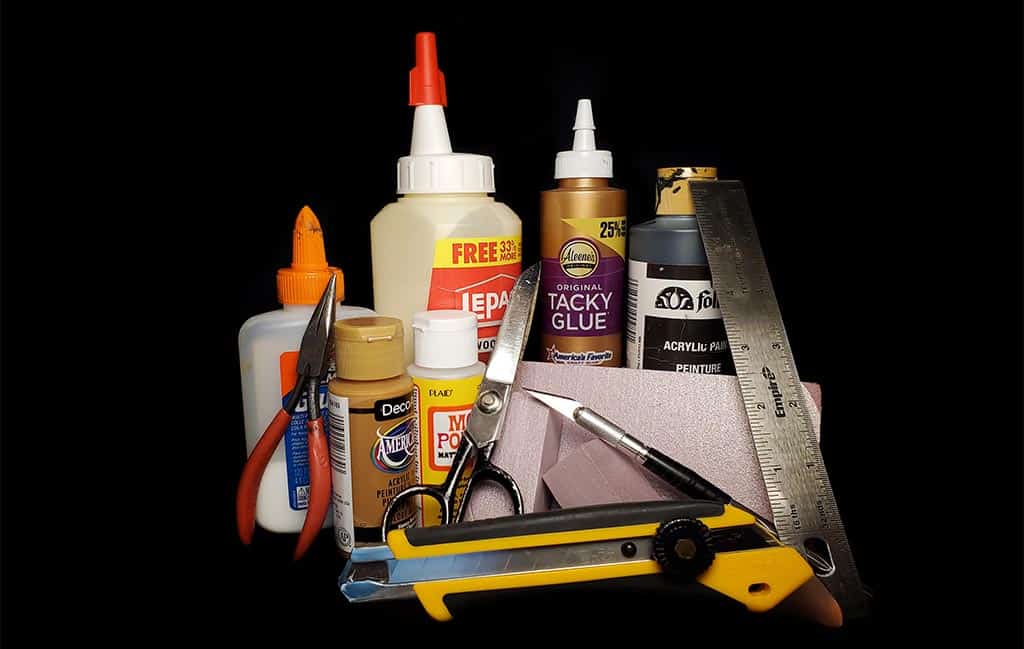
This is a personal starter list for tabletop crafting. It is built around inexpensive supplies that are useful for beginners and flexible enough for larger projects.
[ SUPPLY VAULT ]
What This List Covers
These are supplies I use for game-room projects, especially simple terrain, boards, props, and other tabletop builds. You do not need to buy everything at once. Build your tool kit over time and replace items only when you know they fit the way you craft.
- Focus
- Beginner-friendly supplies
- Use Case
- Terrain and game projects
- Budget
- Mostly inexpensive tools
- Status
- Work in progress
[ BEFORE YOU SHOP ]
Start Small and Use What You Have
This page is not meant to tell every crafter what they must own. It is a practical list of supplies that have worked well for my projects. Some people will prefer different tools, brands, materials, and techniques.
A few core items can carry a lot of projects. Add more only when a build actually needs it.
Affiliate notice: Some product links may earn the Game Room a small commission at no extra cost to you.
[ SHARP TOOLS ]
Cutting Materials Apart
These are the cutting tools I reach for when trimming foam, cardboard, plastic, wire, dowels, and miniature parts.
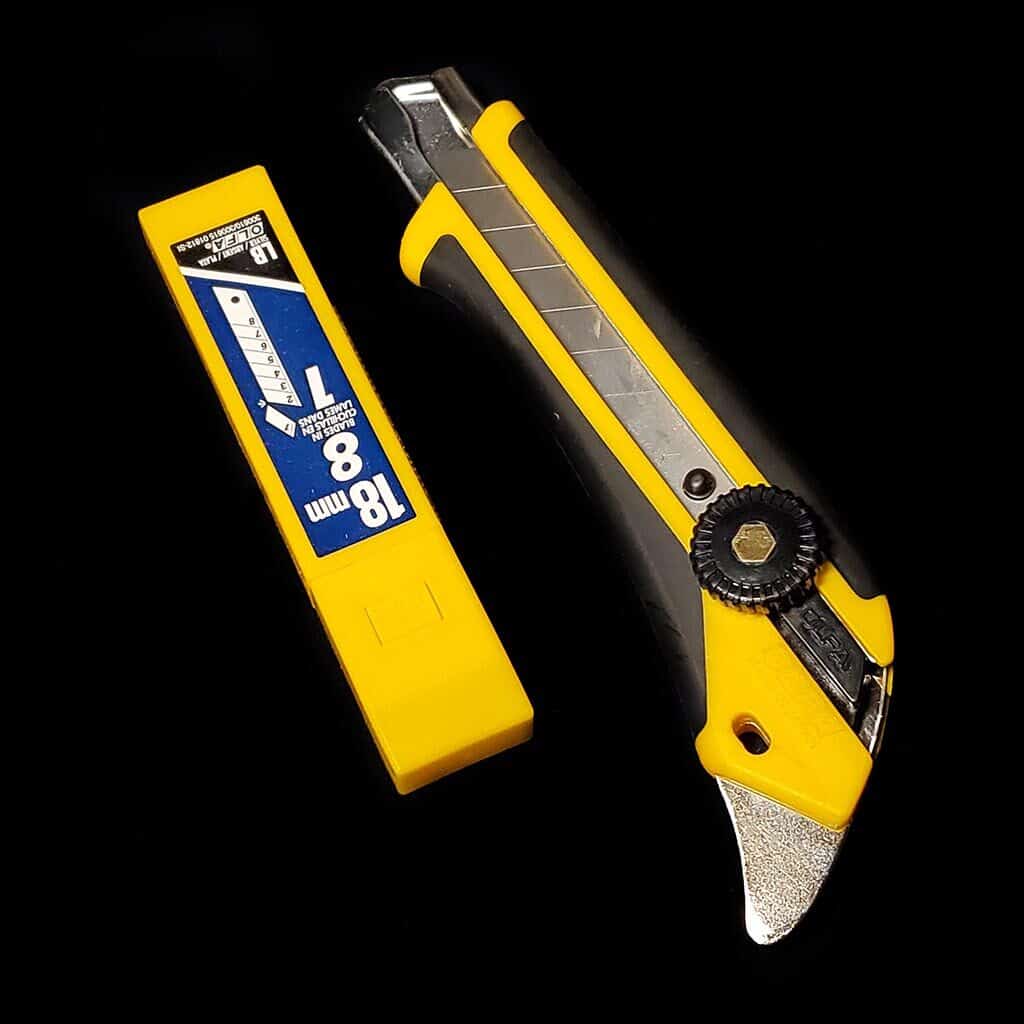
Olfa Utility Knife
A good utility knife is one of the tools I use most. Get a decent knife with sharp replacement blades. Cheap blades dull faster, and a dull blade gives you less control.
Cut on a stable surface, take your time, and avoid getting too comfortable with the tool. That is usually when slips happen.
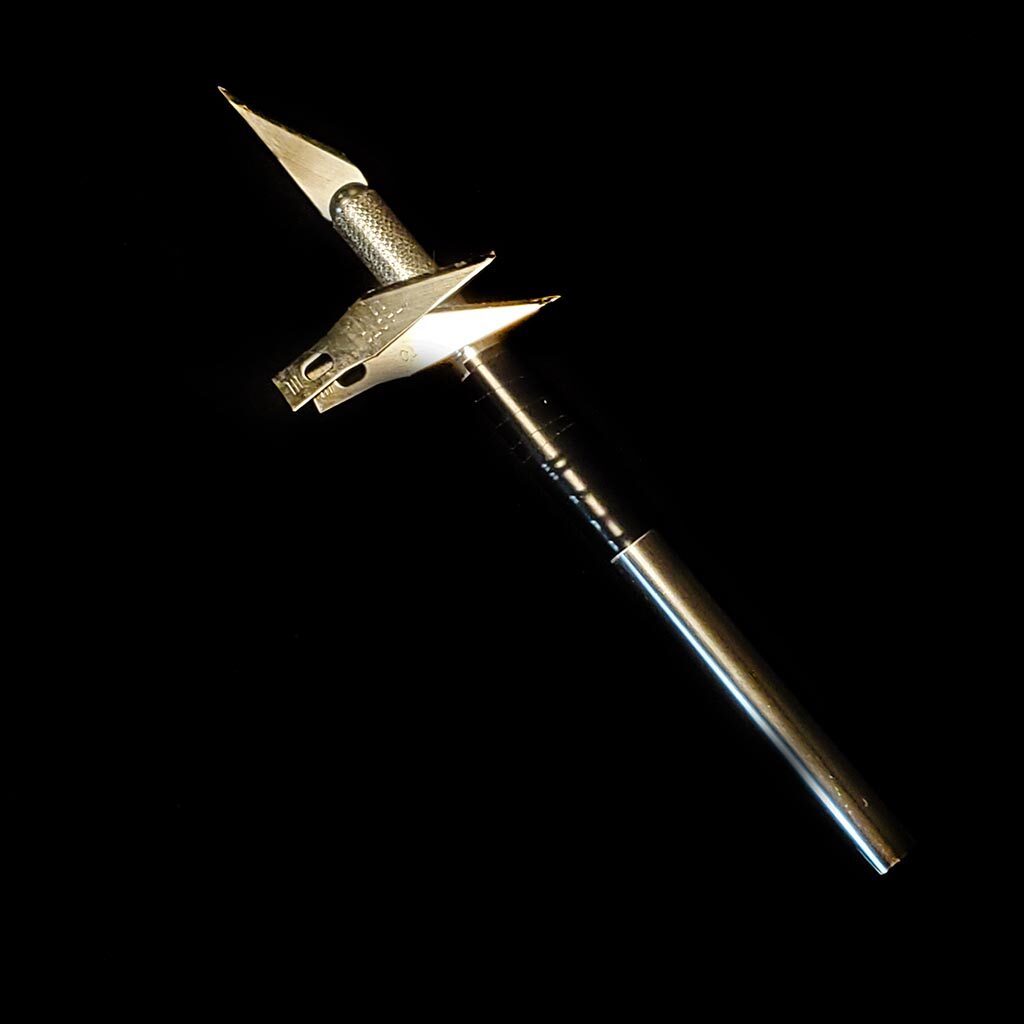
X-Acto Knife
An X-Acto knife is great for small cuts and high-precision work. It fits into places a utility knife does not, but it is not a replacement for a heavier blade.
I usually buy basic handles and bulk blades. The small blades wear out quickly, so having extras nearby helps keep the work clean.
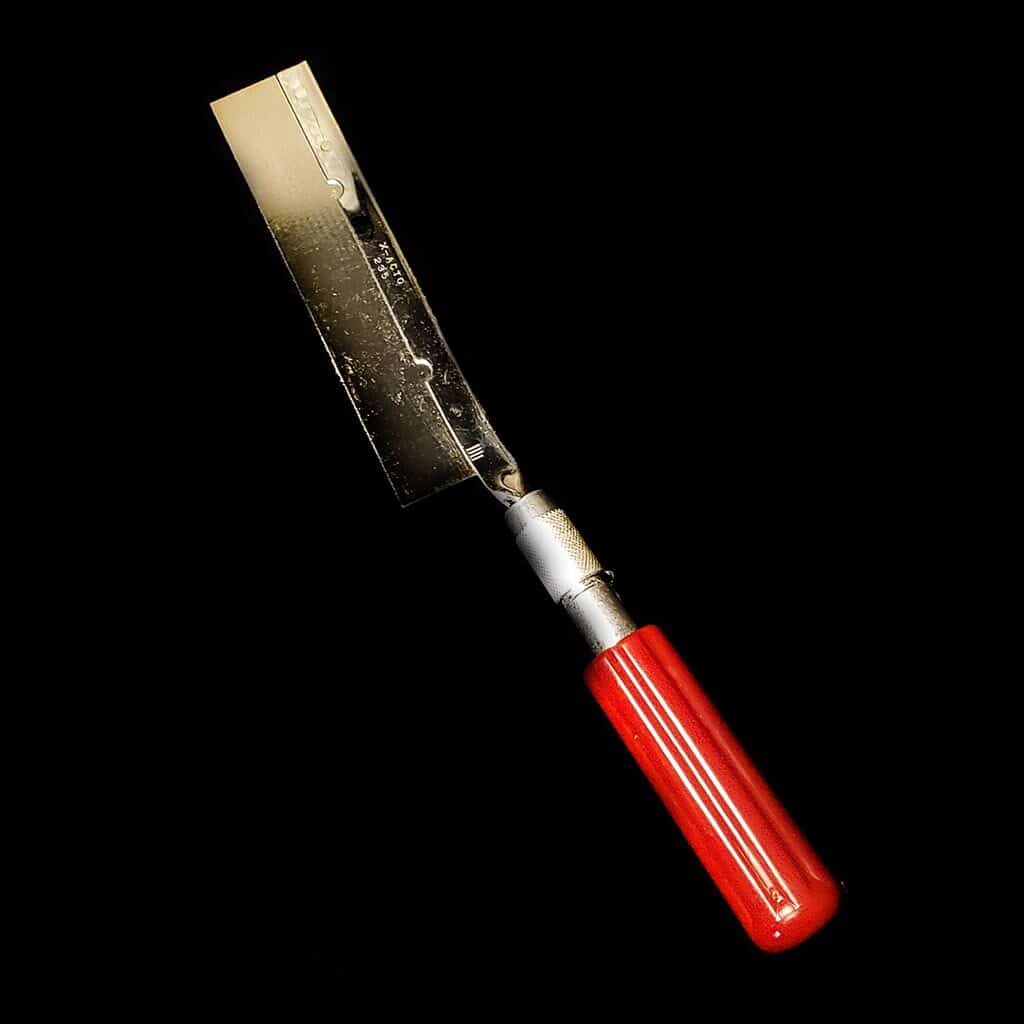
X-Acto Razor Saw
This small saw is useful for cutting wood and plastic with better control than larger shop tools. It works best on softer craft woods such as pine and balsa.
A small miter box pairs nicely with it when you need cleaner 45-degree or 90-degree cuts.
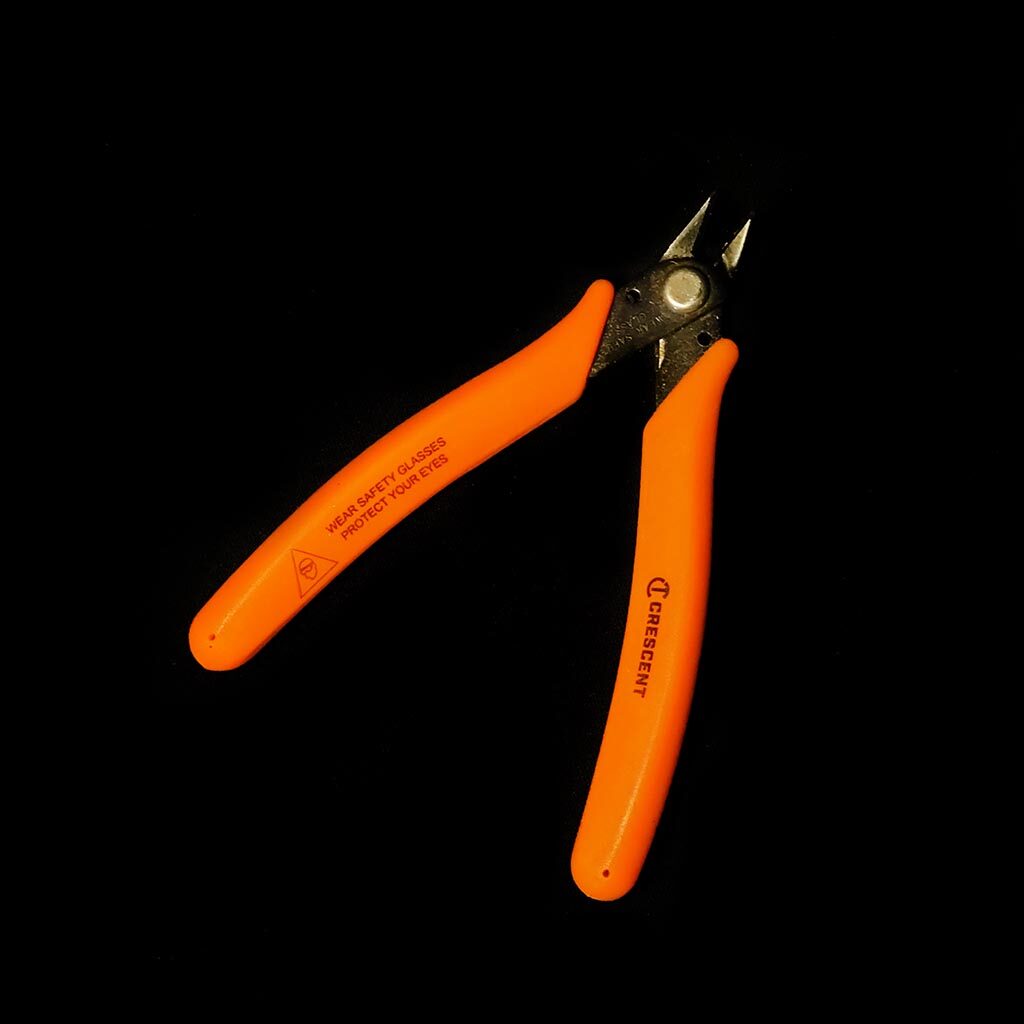
Flush Cutters
Flush cutters are useful for cutting miniatures and plastic parts from sprues. They are handy for trimming zip ties without leaving sharp tails too.
Keep them for light-duty work. Larger wire or hardened wire can damage the cutting edge.
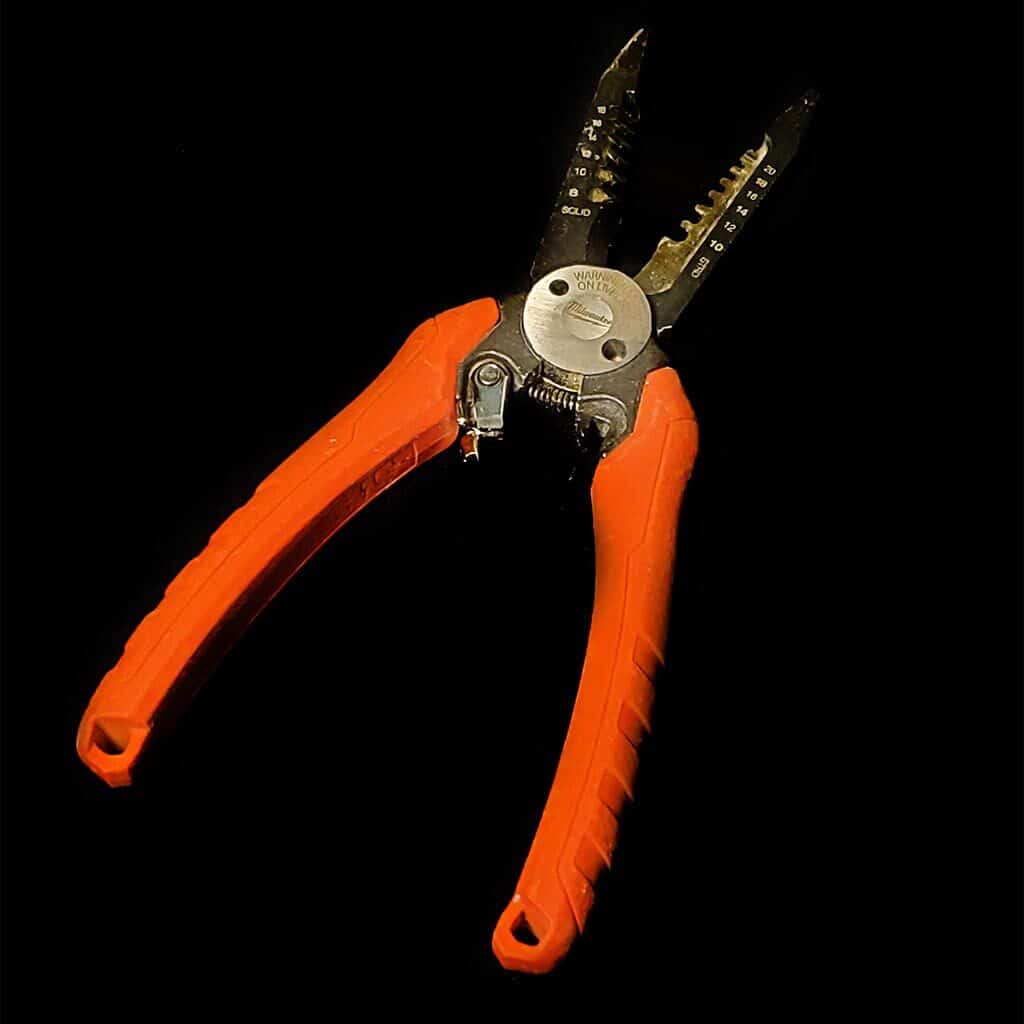
Wire Cutters
This pair is more than a cutter. It strips wire and has plier jaws for gripping. That makes it useful for paperclips, dowels, wire, and materials too tough for flush cutters.
You do not need a premium pair for crafting. A basic tool set will handle most terrain and hobby jobs.
[ GLUE AND BONDS ]
Sticking Materials Together
Different materials need different adhesives. Foam, cardboard, wood, plastic, and metal do not all behave the same way.
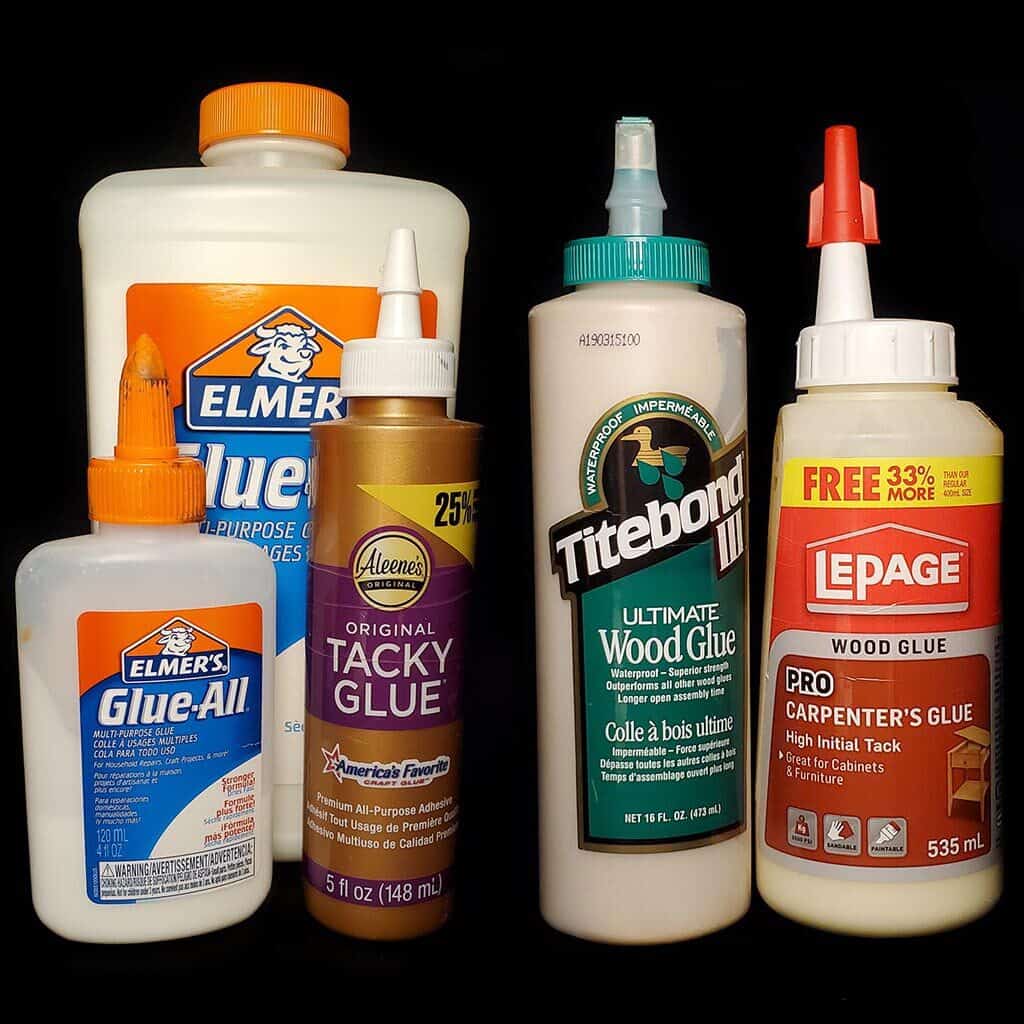
White Glue, Tacky Glue, and Wood Glue
Glue-All and Tacky Glue work well for cardboard, foam, and many terrain builds. Tacky Glue is thicker and grabs faster, while Glue-All is thinner and can be diluted with water for flocking or sealing.
Wood glue has a place for craft wood. For most hobby builds, a cheaper fast-drying bottle is enough.
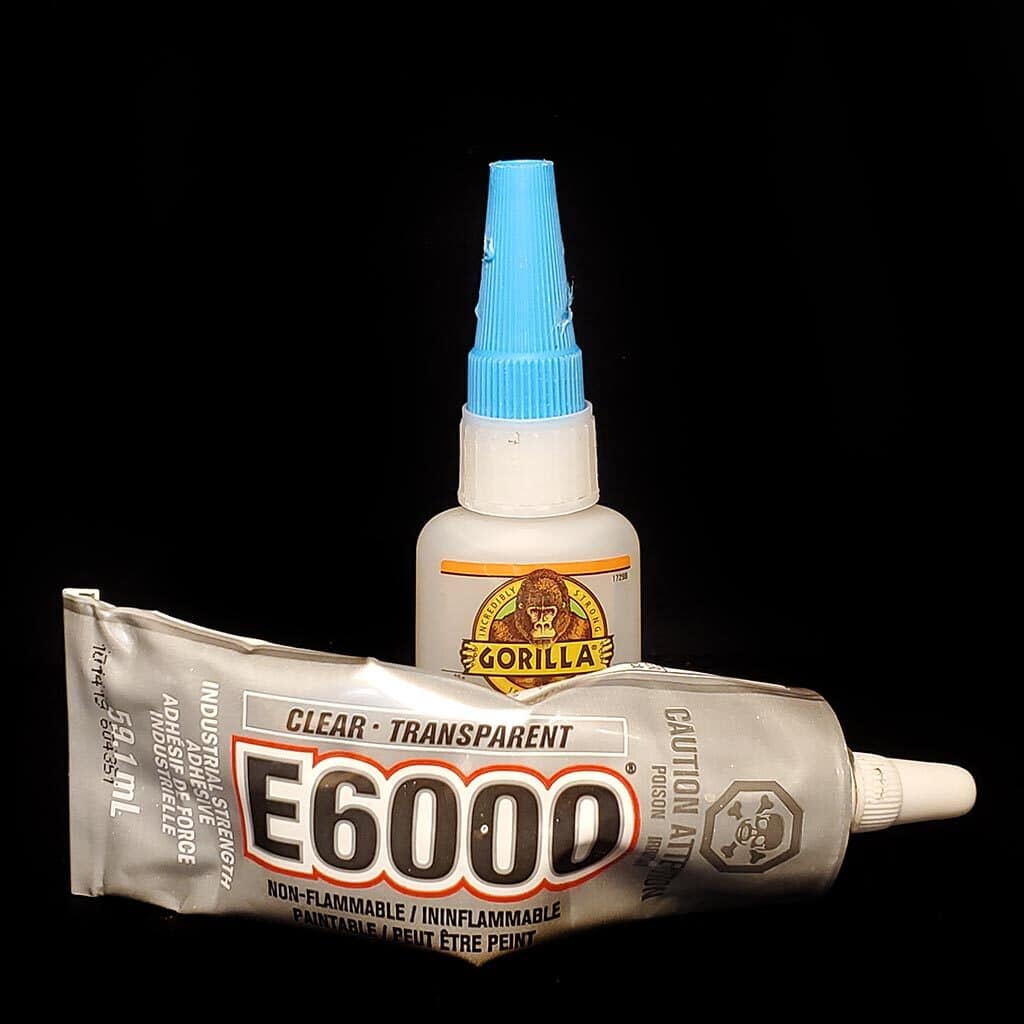
Super Glue and E6000 Craft Adhesive
These adhesives are useful when joining different materials, such as wood to metal, plastic to metal, or plastic to wood. Super glue sets faster, but E6000 can provide a stronger flexible bond.
Use care around skin and foam. Some adhesives can bond skin quickly or melt foam surfaces.
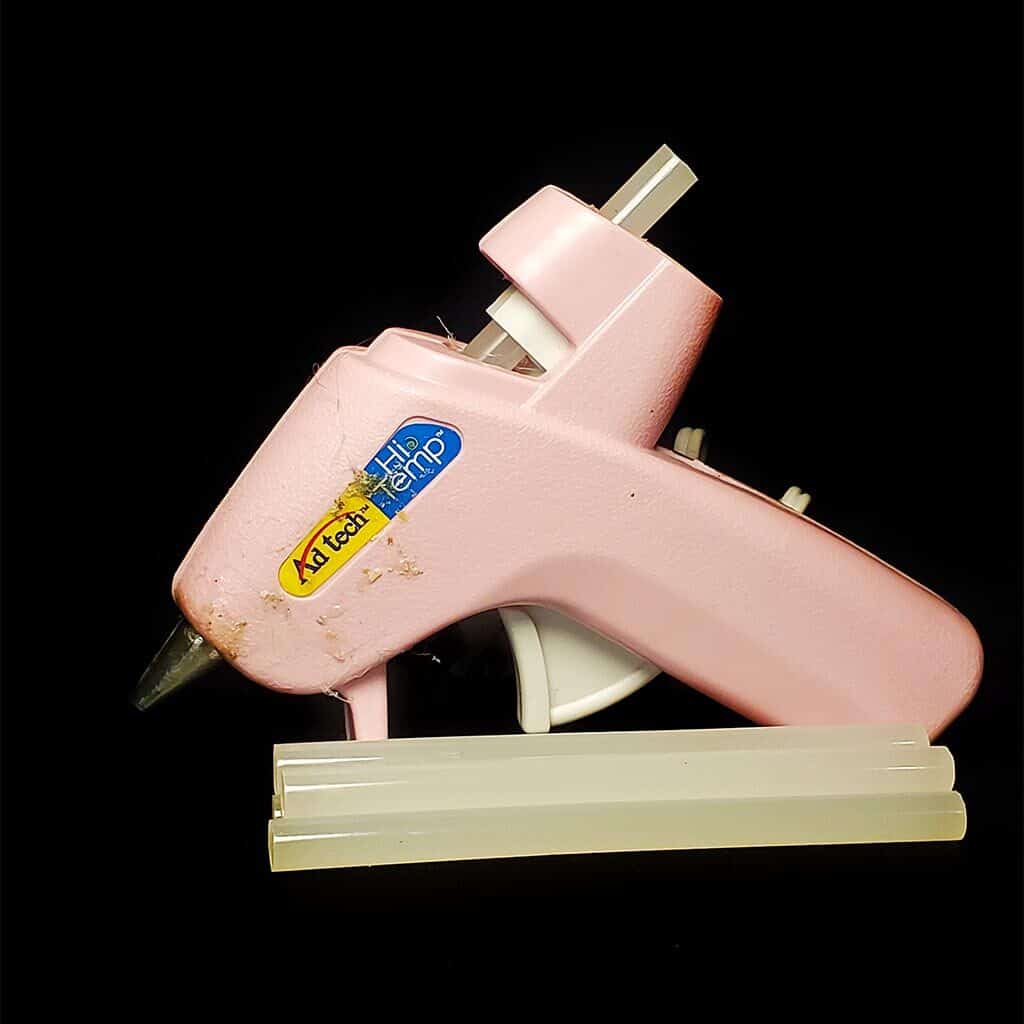
Hot Glue Gun
Hot glue sets quickly and works on a wide range of materials. It is great for rough builds, hidden joins, quick mockups, and terrain pieces that need strength more than fine detail.
Mine is old and cheap, but it has handled years of craft projects.
[ STRAIGHT LINES ]
Measuring Tools
Good measuring tools make terrain pieces, tiles, walls, and furniture line up cleanly.
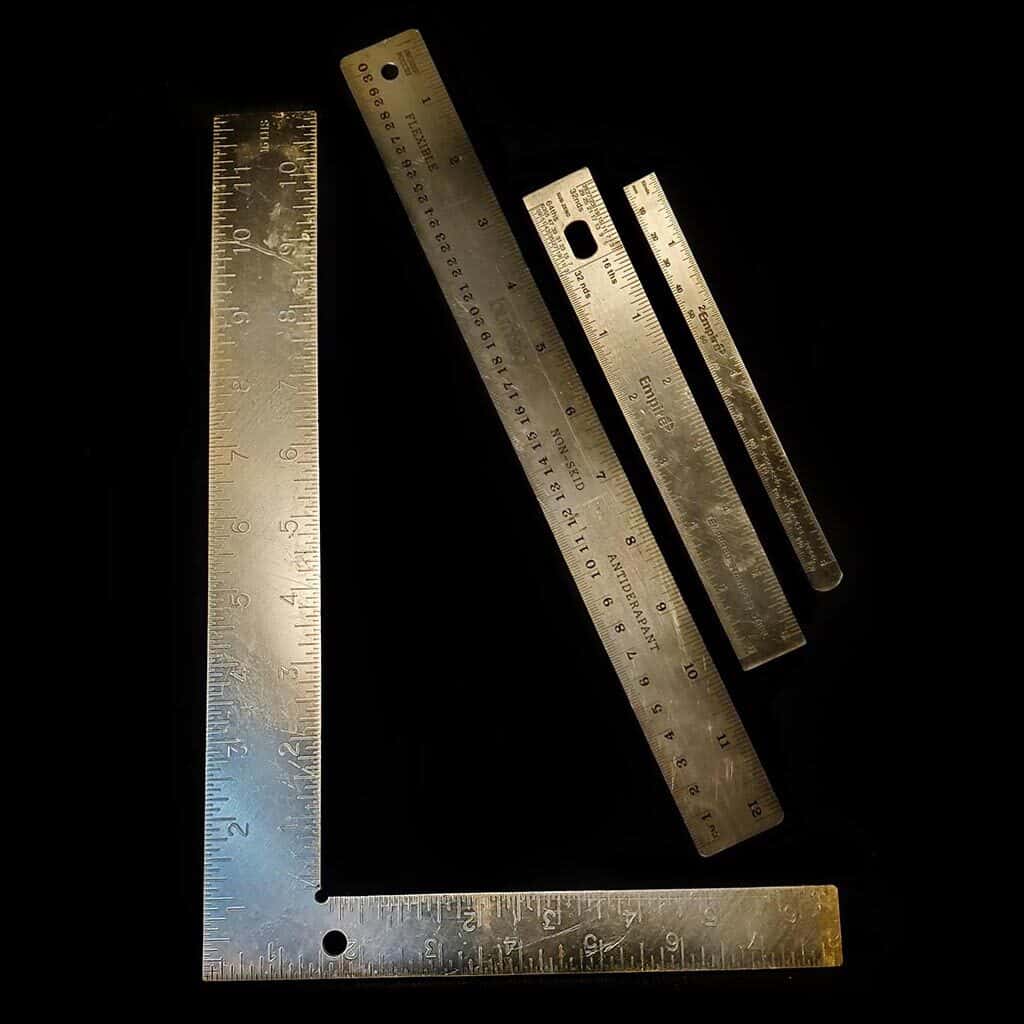
Rulers and a Small Construction Square
Rulers are useful in several sizes. A small pocket ruler, a 12-inch ruler, and a longer straight edge all have a place on the bench. Metal rulers last longer than plastic ones and stand up better to blades.
A flat L-shaped construction square is excellent for laying out 90-degree corners, checking boxes, and keeping scratch-built pieces from drifting out of alignment.
[ BENCH HELPERS ]
Other Useful Tools
These are not always the first tools people buy, but they come up again and again during small terrain and miniature-adjacent projects.
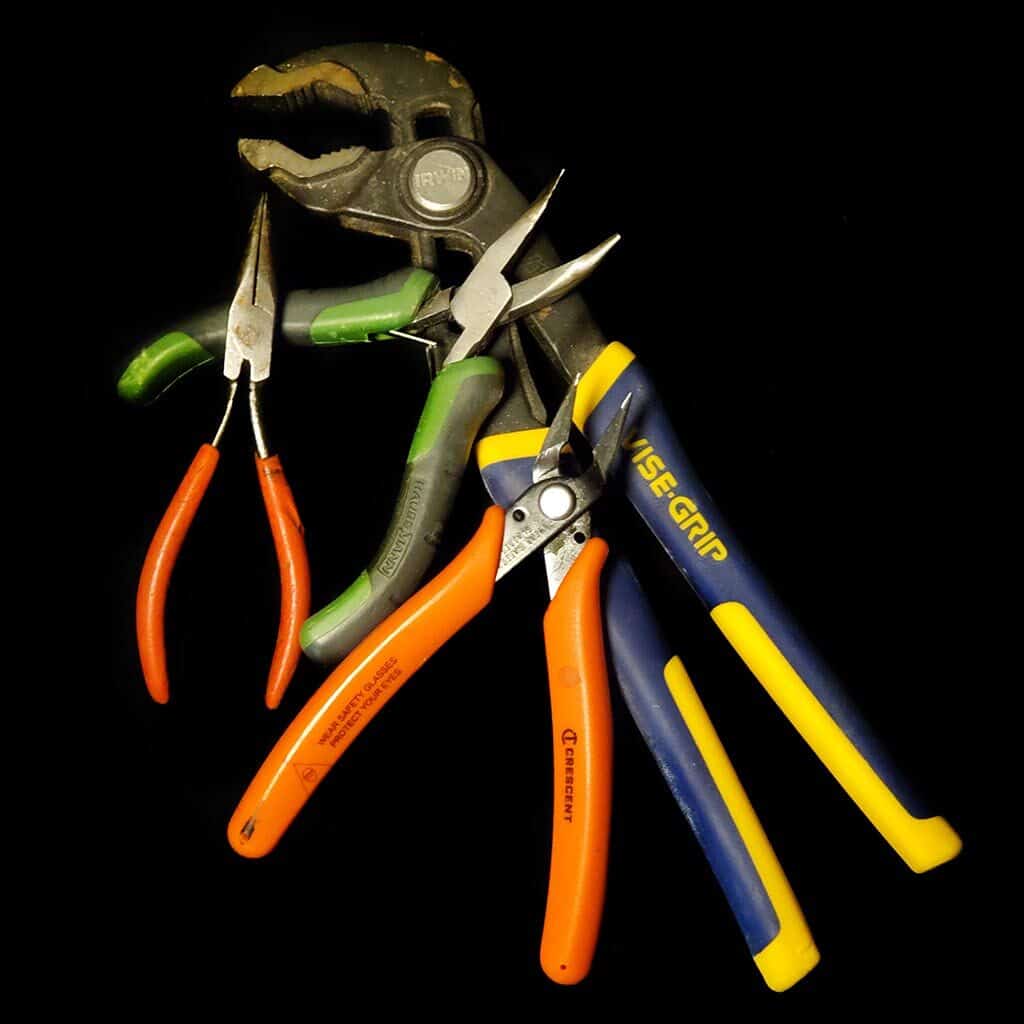
Pliers
Needle-nose pliers are good for holding, bending, and positioning small parts. Longer needle-nose pliers help reach tight spaces.
Tweezers are another good option for tiny pieces and detail placement.
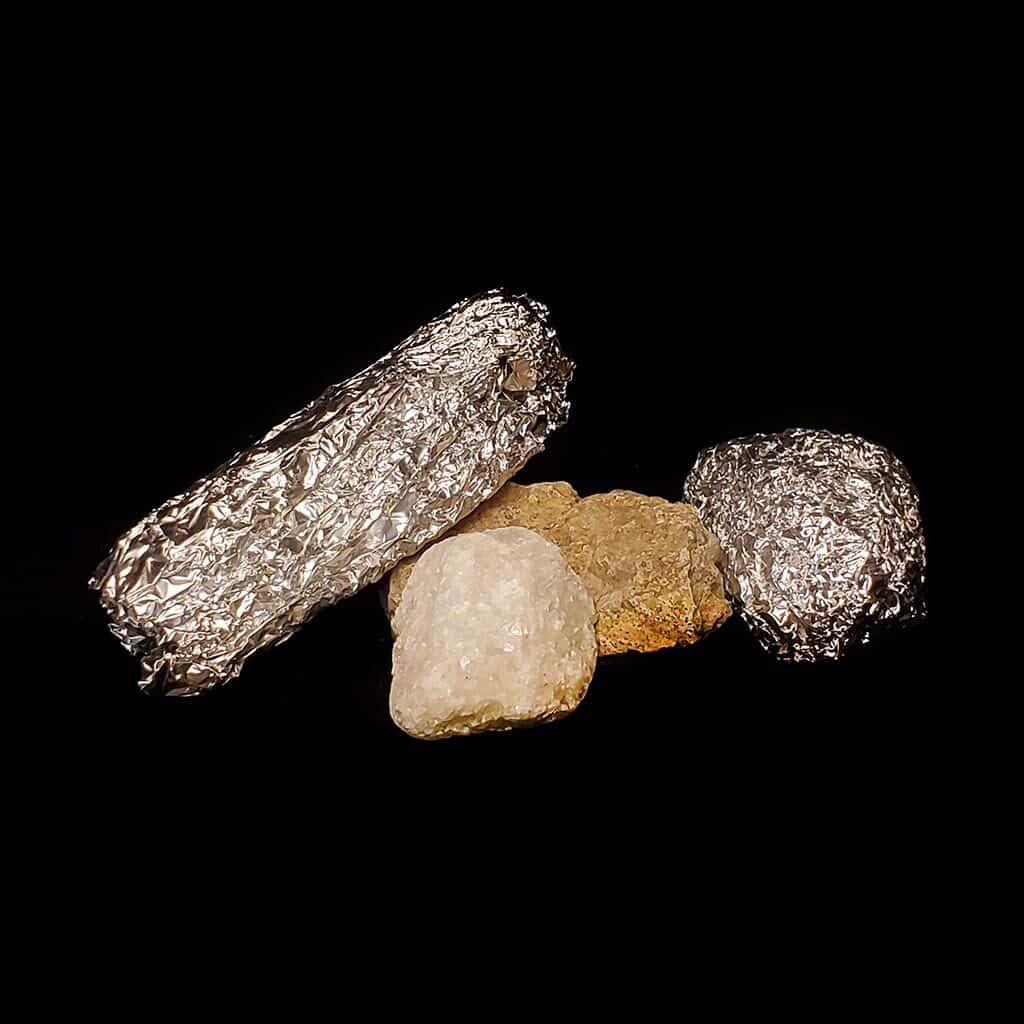
Aluminum Foil
Crumpled aluminum foil can be rolled across foam to create a rough stone texture. Cheap foil works fine.
A rough backyard rock can produce a similar texture when you press it into foam.
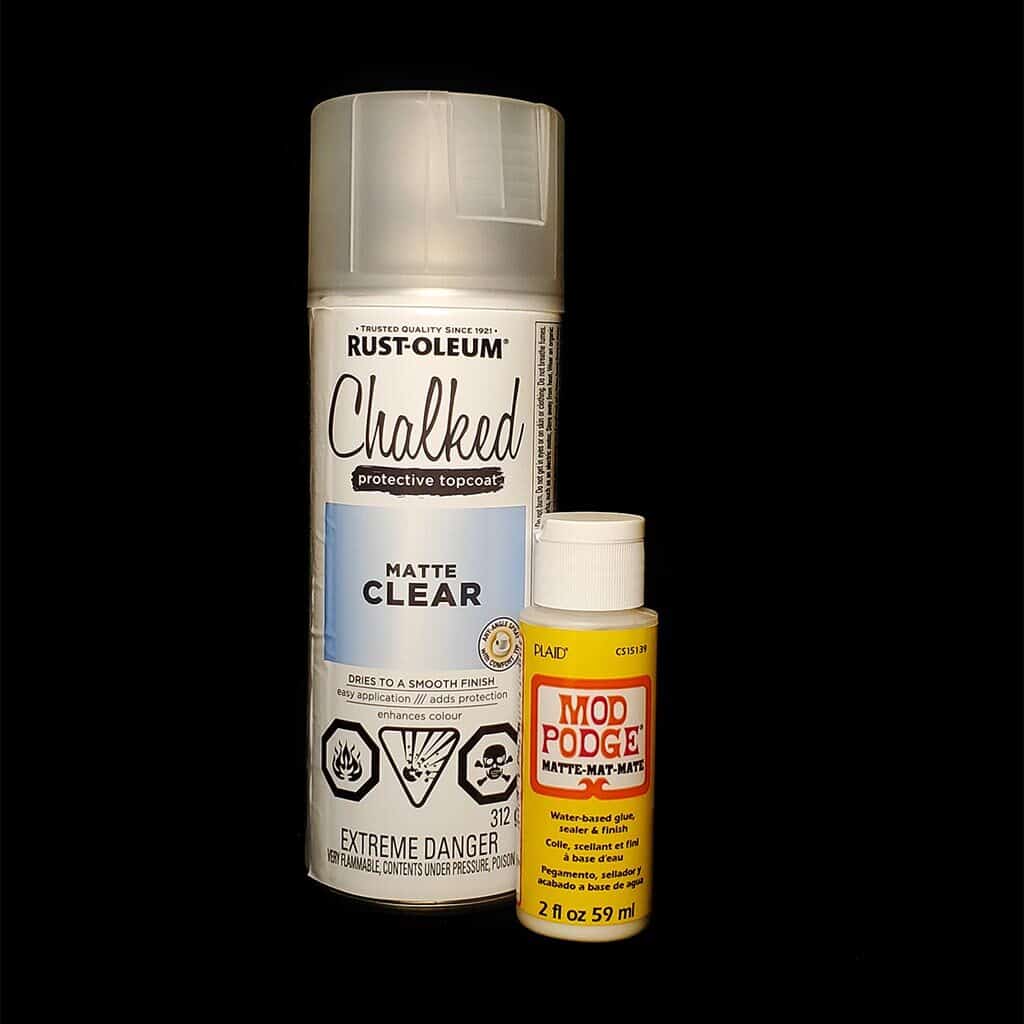
Mod Podge and Clear Coat
Mod Podge works like a mix between glue, sealer, and paint medium. I use it to seal foam pieces before painting, which gives fragile parts more strength.
A spray clear coat can protect finished paint. Matte finish is usually my preference for terrain. Test spray products before using them near bare foam.
[ PAINT AND FINISH ]
Decorating Supplies
A few inexpensive paints and brushes can carry a lot of early projects.
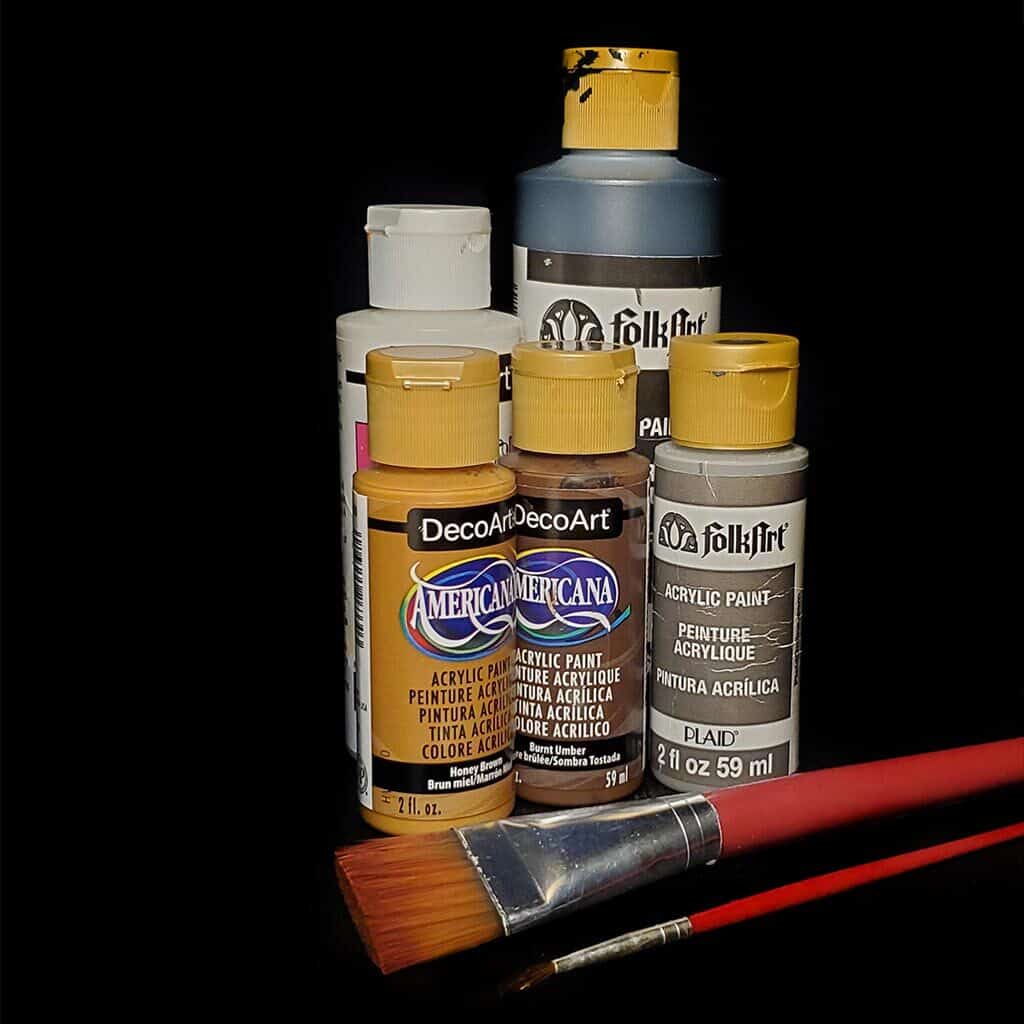
Acrylic Craft Paint
Acrylic craft paint is inexpensive and easy to find. Brands such as Apple Barrel and Craftsmart are good enough for plenty of terrain work.
You will use a lot of black for base coats. Brushes range from cheap to premium, but terrain projects are a good place to start with affordable sets.
[ RAW STUFF ]
Useful Materials
A lot of game-table projects start with foam, cardboard, and inexpensive wooden shapes.
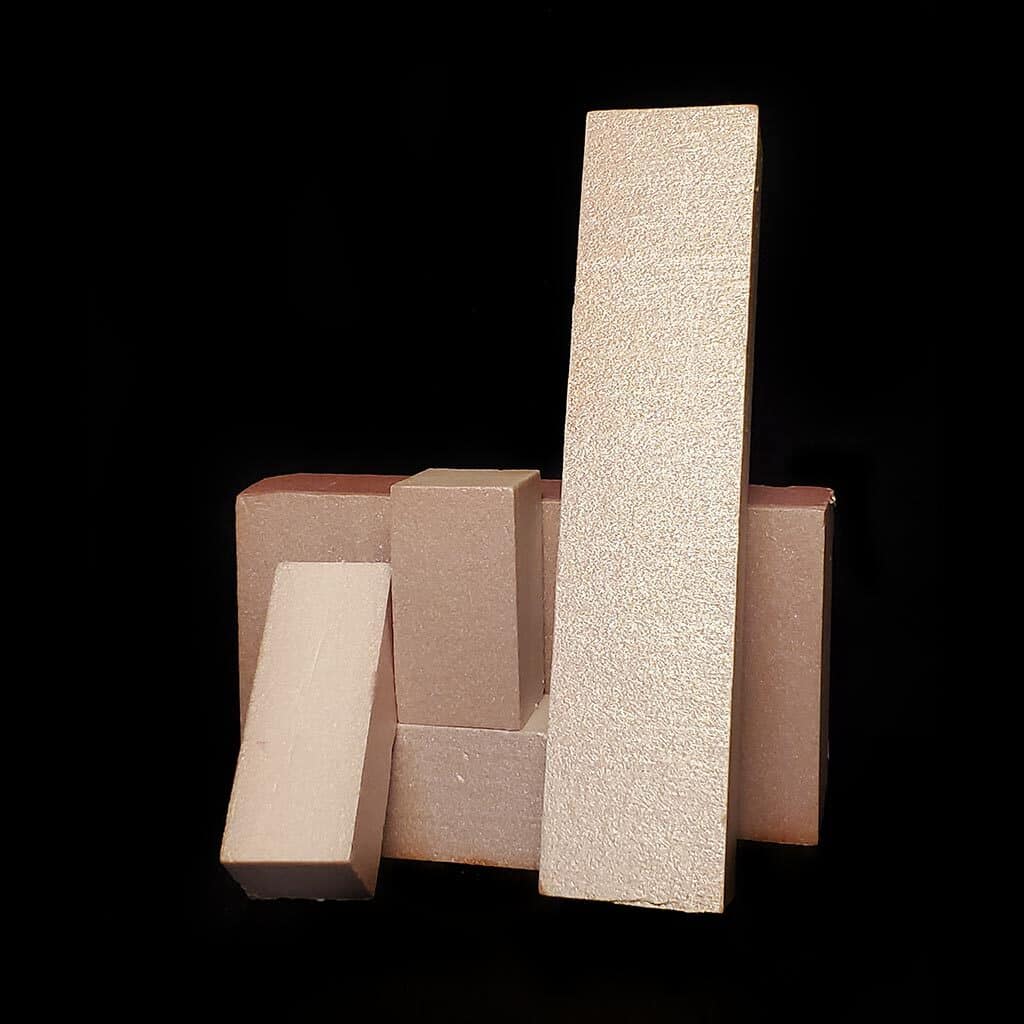
XPS Foam and Foam Board
XPS foam is commonly used for insulation and can often be found at hardware stores. Full sheets are large, but some stores carry smaller project panels that are easier to transport and store.
Foam cuts well with a utility knife and takes texture nicely. Foam board is thinner and usually has paper on both sides. It is common at dollar stores and craft stores.
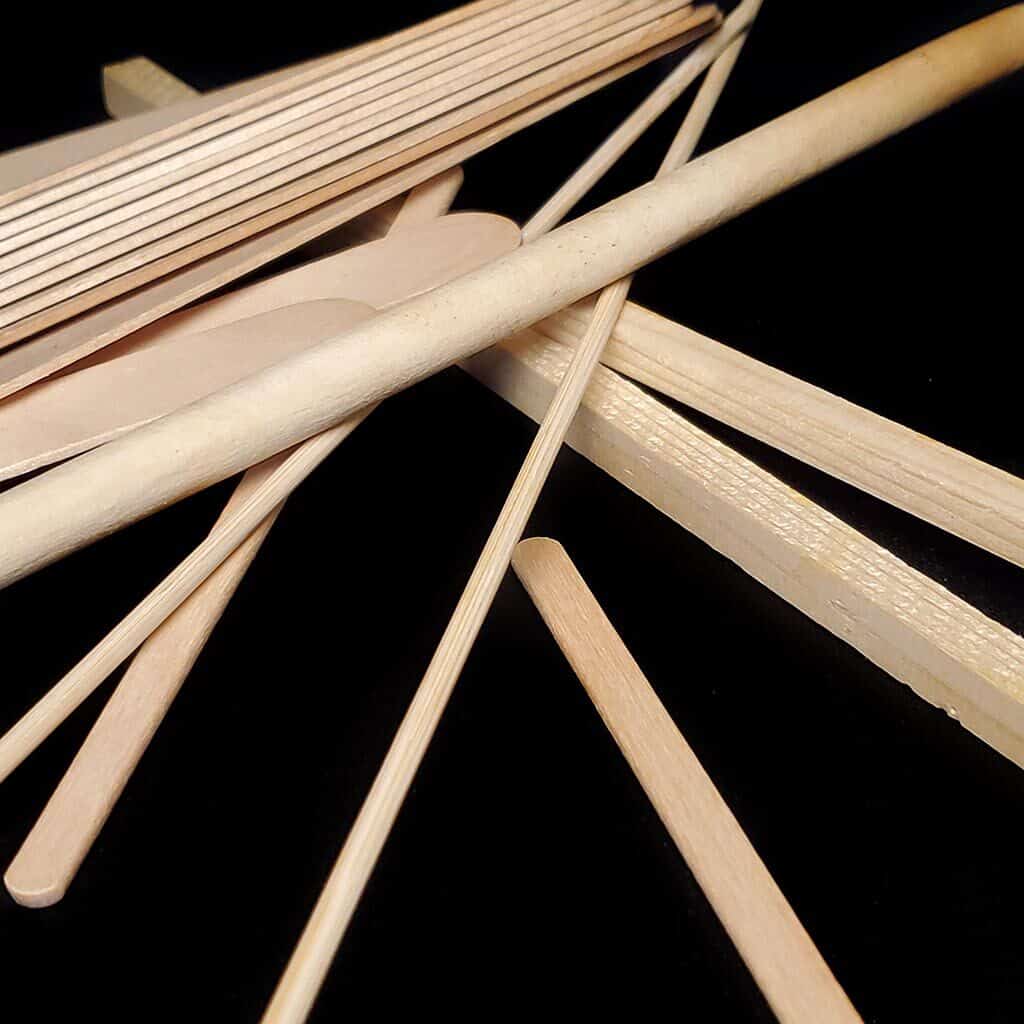
Wooden Pieces
Wooden craft pieces come in many shapes and sizes. Toothpicks, skewers, dowels, popsicle sticks, tongue depressors, coffee stir sticks, cubes, and spheres can all become useful parts.
They are great for furniture, walls, ladders, supports, crates, and small detail pieces.
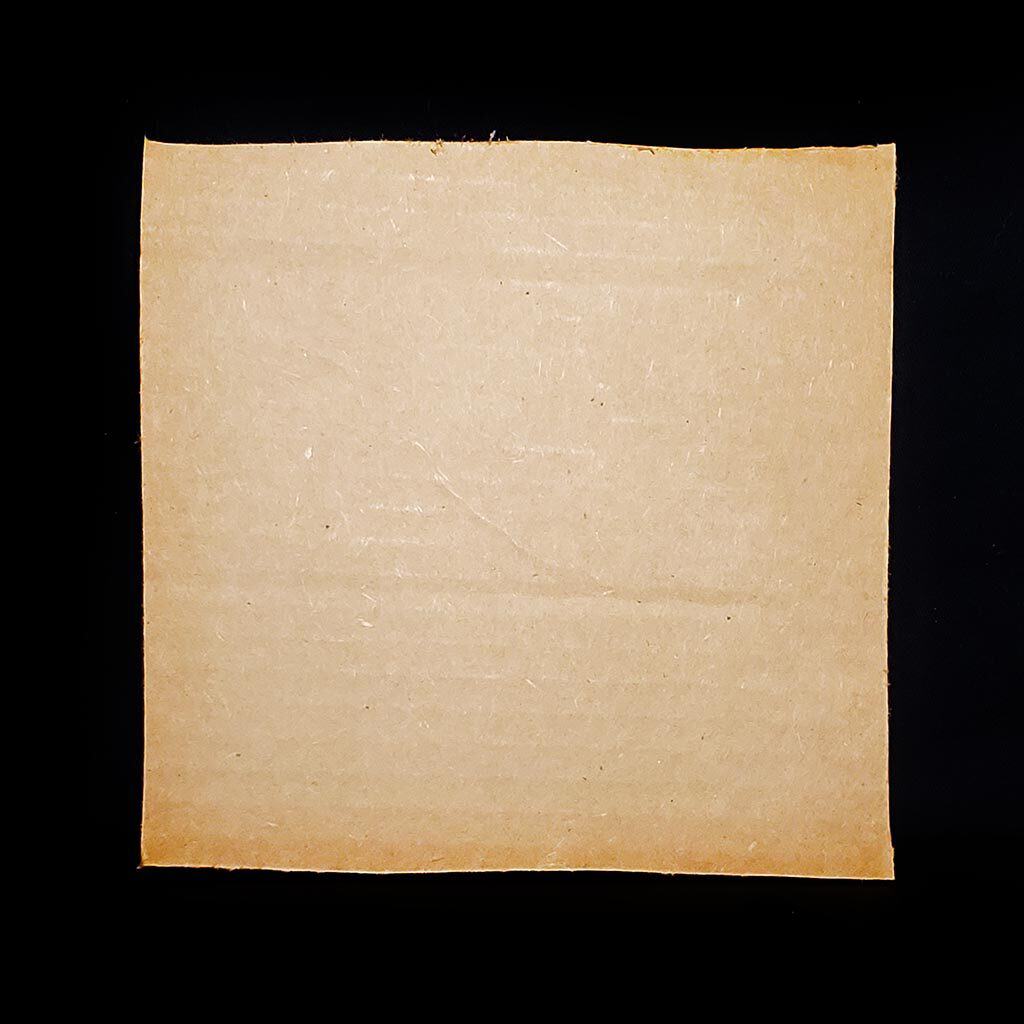
Cardboard
Cardboard comes in several useful forms, including corrugated cardboard, double corrugated cardboard, chipboard, and cereal box cardboard.
It is easy to find, easy to cut, and useful on its own or paired with foam. Save clean off-cuts from packaging. They usually find their way into another project.
[ FINAL CHECK ]
Keep the Scrap Pile
Foam off-cuts, cardboard scraps, spare wooden pieces, and broken bits often become useful later. Many of my small details start as leftover material from another project.
Thanks for visiting the craft bench. I hope this helps you get started on your next build.